Chayote
Sechium edule
Cucurbitaceae · gourd family
Origin · Mesoamerica
- Matures
- 4–6 months
- Harvest
- Continuous · Perennial
- Sun
- 4–8+ hrs
- Spacing
- 84–132 in
Planting window
When to sow, by microclimate — foggier blocks run a different calendar than sunnier ones.
| Jan | Feb | Mar | Apr | May | Jun | |
|---|---|---|---|---|---|---|
| Foggy | ● | ● | ● | ● | ||
| Sunny | ● | ● | ● | ● |
| Jul | Aug | Sep | Oct | Nov | Dec | |
|---|---|---|---|---|---|---|
| Foggy | ||||||
| Sunny |
Sunlight
How well it does at each level of direct sun per day.
Soil depth
Root room it needs — useful for sizing raised beds and containers.
Soil pH
The soil acidity it grows best in — most crops sit just below neutral, so this mostly matters for heavily amended or long-reused beds.
- Preferred range
- pH 5.5–7.0
Spacing
Room each plant needs — along the row and between rows — for sizing beds.
- In-row
- 84–132 in
- Between rows
- 84–132 in
Growth habit
The shape it makes in the bed and how tall it gets — what tells you whether to give it a trellis, a stake, or just room.
- Habit
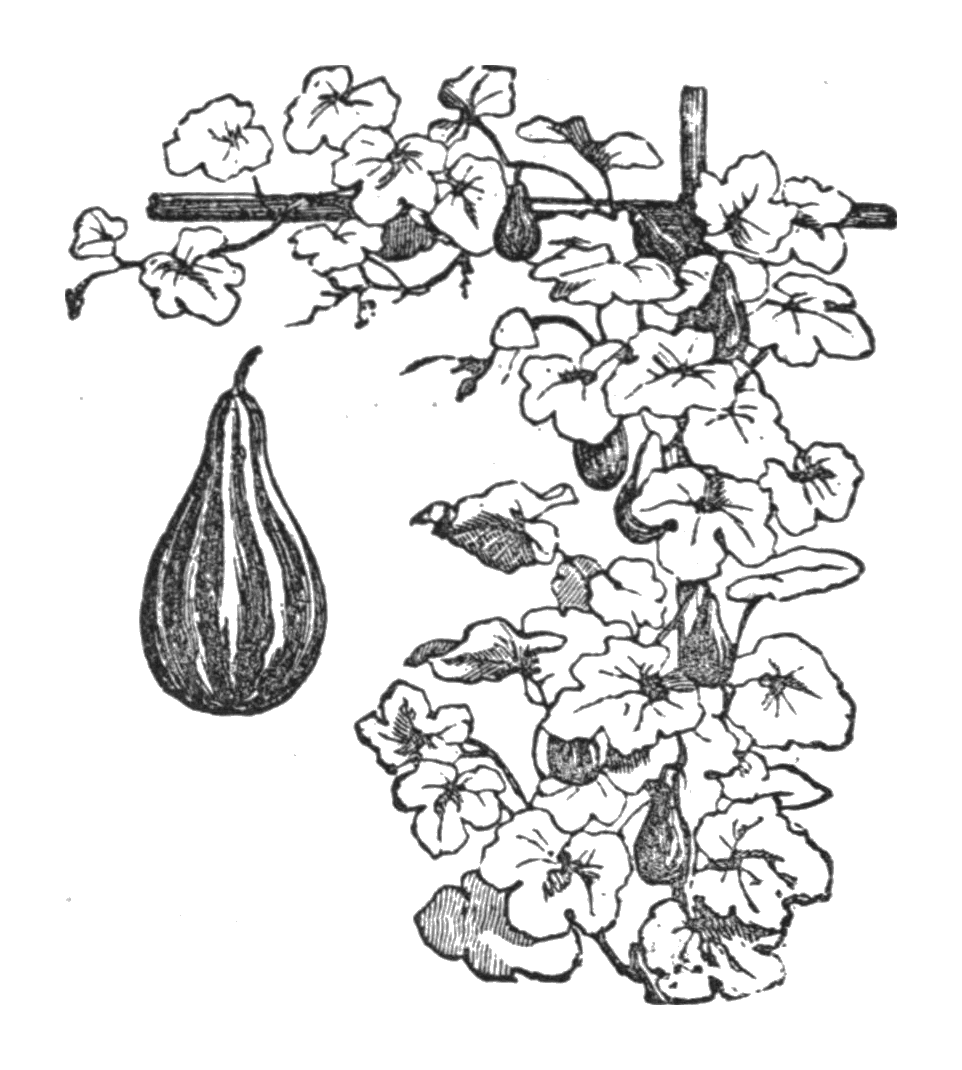
- Climbing
- Mature height
- 6–20 ft
Climbs — give it a trellis, netting, or poles to run up.
Growing in containers
Whether it does well in a pot, planter, or window box — the SF balcony-and-deck question, weighing its footprint, form, and staying power, not just root depth.
Better in open ground — it wants more root room, spread, or staying power than a pot gives.
How to start it
Sow it where it grows, or raise it under cover and set it out — and how far ahead to start the seedlings if it's the latter.
- Usually
- Direct-sow
Sown straight into the bed it will grow in.
Getting started
How it goes in the ground — how deep to sow or set it, and the soil temperature it needs to wake up. The cold-soil floor is the real limiter for direct-sowing in a foggy SF spring.
- Started from
- From sprouted fruit
- Ideal soil temp
- 66–86°F
- Set depth
- 3–4 in
Sprouts between 54–104°F; happiest around 66–86°F.
Watering & feeding
How thirsty and how hungry it is — the water it wants and how much feeding the bed needs to keep it producing. In the fog belt even a thirsty crop drinks less than it would inland.
- Water need
- Moderate
- Feeding
- Moderate feeder
Wants steady, even moisture — roughly an inch a week, a little more in a heat spell.
A balanced feed worked into the bed at planting usually carries it through the season.
A vigorous vine that wants regular water through its long season. A moderate feeder — feed once the vine is running and again as fruit sets.
Pests & diseases
What tends to trouble this crop — what it is, what you'll see, and what to do about it, least-toxic first.
Our sources document no specific pests or diseases for this crop; it's generally grown without major pest trouble in home gardens.
Harvest & storage
How to tell it's ready to pick, and how to keep it once it's in.
- Keeps
- WeeksHolds a week or two in the fridge.
- Ready to harvest
- Pick the fruit young and tender while the rind and seed are still soft, before it begins to sprout.
- Storing
- Store cool (50-60F) and humid — it keeps up to a month; below 50F it takes chilling injury, and it sprouts if left warm.
Culinary use & nutrition
What it's for in the kitchen, and the nutrients a 100 g raw serving is a notable source of.
In the kitchen
- Raw
- Boiled / steamed
- Roasted
Nutrition highlights
- Excellent source
- Folate
- Good source
- Copper
Share of the Daily Value in a 100 g raw serving (USDA FoodData Central).
Pollinators & wildlife
What this crop offers the garden's wildlife once it flowers — often the payoff for letting a bolting plant stand.
- Bees
- Honeybees and natives — bumble, mason, and sweat bees — working the flowers for pollen and nectar.
A late vine still in flower when most of the garden is done, and bees are on it while it lasts.
Sources
Growing data on this page is drawn from UF/IFAS Extension, University of Hawaii at Mānoa Extension, and the other references on our sources page.