Sunchoke
Helianthus tuberosus
Asteraceae · sunflower family
Origin · North America
Also known as · Jerusalem Artichoke
- Matures
- 4 months
- Harvest
- Once · Perennial
- Sun
- 4–8+ hrs
- Spacing
- 12 in
Planting window
When to sow, by microclimate — foggier blocks run a different calendar than sunnier ones.
| Jan | Feb | Mar | Apr | May | Jun | |
|---|---|---|---|---|---|---|
| Foggy | ◐ | ● | ● | ● | ◐ | |
| Sunny | ◐ | ● | ● | ◐ | ◐ |
| Jul | Aug | Sep | Oct | Nov | Dec | |
|---|---|---|---|---|---|---|
| Foggy | ||||||
| Sunny |
Sunlight
How well it does at each level of direct sun per day.
Soil depth
Root room it needs — useful for sizing raised beds and containers.
Soil pH
The soil acidity it grows best in — most crops sit just below neutral, so this mostly matters for heavily amended or long-reused beds.
- Preferred range
- pH 5.8–7.0
Spacing
Room each plant needs — along the row and between rows — for sizing beds.
- In-row
- 12 in
- Between rows
- 12 in
Growth habit
The shape it makes in the bed and how tall it gets — what tells you whether to give it a trellis, a stake, or just room.
- Habit
- Upright
- Mature height
- 10–12 ft
Stands on its own; the tallest types appreciate a stake in wind.
Growing in containers
Whether it does well in a pot, planter, or window box — the SF balcony-and-deck question, weighing its footprint, form, and staying power, not just root depth.
Workable in a large, deep container with attentive watering and feeding.
How to start it
Sow it where it grows, or raise it under cover and set it out — and how far ahead to start the seedlings if it's the latter.
- Usually
- Direct-sow
Sown straight into the bed it will grow in.
Getting started
How it goes in the ground — how deep to sow or set it, and the soil temperature it needs to wake up. The cold-soil floor is the real limiter for direct-sowing in a foggy SF spring.
- Started from
- From tubers
- Ideal soil temp
- 45–75°F
- Set depth
- 2 in
Sprouts between 45–90°F; happiest around 45–75°F.
Watering & feeding
How thirsty and how hungry it is — the water it wants and how much feeding the bed needs to keep it producing. In the fog belt even a thirsty crop drinks less than it would inland.
- Water need
- Low
- Feeding
- Light feeder
Gets by on less — water deeply, then let it dry out between; forgiving of a missed day.
Undemanding — good soil is plenty; a rich, fed bed does more harm than good.
A tough, vigorous perennial — water while establishing, then it fends for itself and tolerates drought. An undemanding light feeder; too rich a bed only makes it run.
Pests & diseases
What tends to trouble this crop — what it is, what you'll see, and what to do about it, least-toxic first.
Our sources document no specific pests or diseases for this crop; it's generally grown without major pest trouble in home gardens.
Harvest & storage
How to tell it's ready to pick, and how to keep it once it's in.
- Keeps
- WeeksHolds a week or two in the fridge.
- Ready to harvest
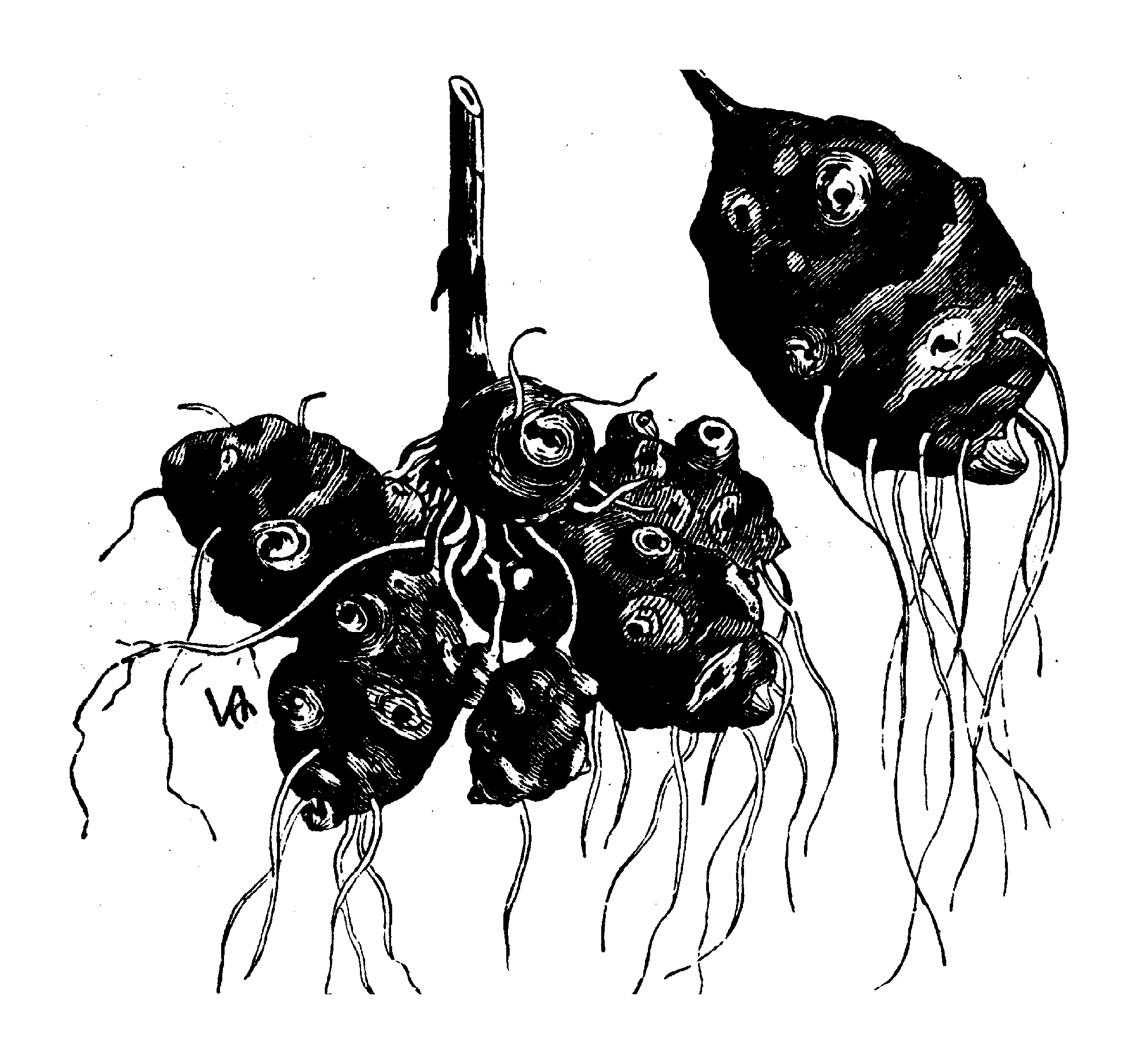
- Dig the tubers after the plant dies back in fall; leave them in the ground and lift as needed through winter.
- Storing
- Lifted tubers shrivel fast — refrigerate in a bag and use within a week or two, or store them in the ground.
Culinary use & nutrition
What it's for in the kitchen, and the nutrients a 100 g raw serving is a notable source of.
In the kitchen
- Boiled / steamed
- Pickled / preserved
Nutrition highlights
- Good source
- Iron, Thiamin, Copper
Share of the Daily Value in a 100 g raw serving (USDA FoodData Central).
Pollinators & wildlife
What this crop offers the garden's wildlife once it flowers — often the payoff for letting a bolting plant stand.
- Butterflies
- Adult butterflies nectaring, and in some crops the leaves their caterpillars grow up on.
The tubers form whether or not it blooms, so the late-summer flush of small yellow sunflowers is pure bonus — butterflies nectar at them from midsummer until the first frost, and the seed heads left standing afterwards feed finches through winter. No source we trust names bees at these particular flowers, so they are left off.
Sources
Growing data on this page is drawn from UC Master Gardeners, Marin County, Golden Gate Gardening (Pam Peirce), and the other references on our sources page.