Pea
Pisum sativum
Fabaceae · legume family
Origin · Mediterranean · Western Asia
- Matures
- 2–3 months
- Harvest
- Over a period · Annual
- Sun
- 4–8+ hrs
- Spacing
- 2–6 in
Planting window
When to sow, by microclimate — foggier blocks run a different calendar than sunnier ones.
| Jan | Feb | Mar | Apr | May | Jun | |
|---|---|---|---|---|---|---|
| Foggy | ● | ● | ● | ● | ● | |
| Sunny | ● | ◐ | ◐ |
| Jul | Aug | Sep | Oct | Nov | Dec | |
|---|---|---|---|---|---|---|
| Foggy | ● | ● | ● | ● | ● | ◐ |
| Sunny | ● | ● | ● | ● | ◐ |
Sunlight
How well it does at each level of direct sun per day.
Soil depth
Root room it needs — useful for sizing raised beds and containers.
Soil pH
The soil acidity it grows best in — most crops sit just below neutral, so this mostly matters for heavily amended or long-reused beds.
- Preferred range
- pH 6.0–6.5
Spacing
Room each plant needs — along the row and between rows — for sizing beds.
- In-row
- 2–6 in
- Between rows
- 36 in
Growth habit
The shape it makes in the bed and how tall it gets — what tells you whether to give it a trellis, a stake, or just room.
- Habit
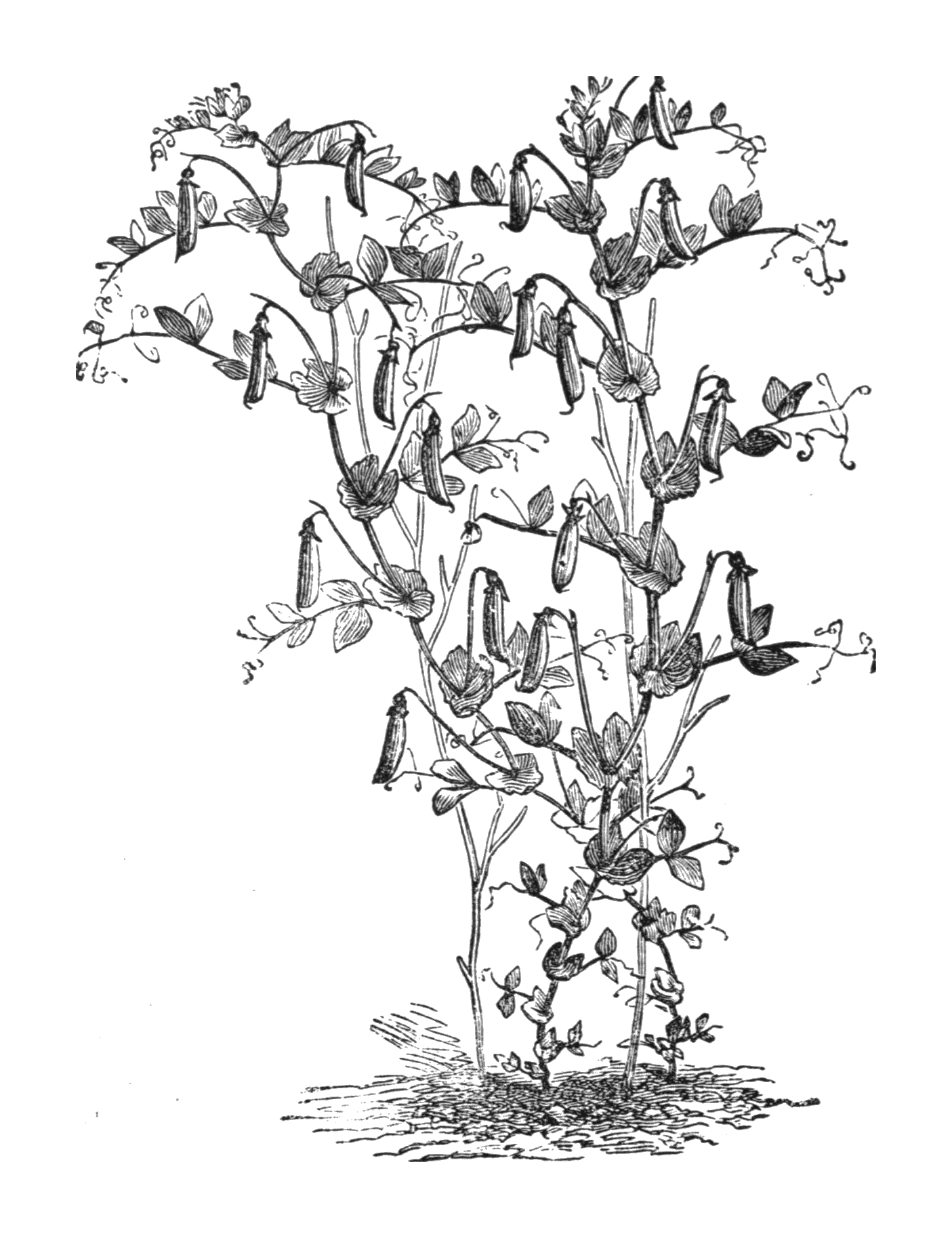
- Climbing
- Mature height
- 2–5 ft
Climbs — give it a trellis, netting, or poles to run up.
Growing in containers
Whether it does well in a pot, planter, or window box — the SF balcony-and-deck question, weighing its footprint, form, and staying power, not just root depth.
Happy in a pot, planter, or window box — no garden bed required.
How to start it
Sow it where it grows, or raise it under cover and set it out — and how far ahead to start the seedlings if it's the latter.
- Usually
- Direct-sow
- Start indoors
- 3 weeks ahead
Sown straight into the bed it will grow in.
Getting started
How it goes in the ground — how deep to sow or set it, and the soil temperature it needs to wake up. The cold-soil floor is the real limiter for direct-sowing in a foggy SF spring.
- Started from
- From seed
- Ideal soil temp
- 65–75°F
- Sow depth
- 1 in
- Time to emerge
- 8–9 days
Germinates between 40–85°F; happiest around 65–75°F.
Watering & feeding
How thirsty and how hungry it is — the water it wants and how much feeding the bed needs to keep it producing. In the fog belt even a thirsty crop drinks less than it would inland.
- Water need
- Low
- Feeding
- Moderate feeder
Gets by on less — water deeply, then let it dry out between; forgiving of a missed day.
A balanced feed worked into the bed at planting usually carries it through the season.
Undemanding in cool spring weather — rain often suffices; water most at and after flowering, when drought aborts pods. A legume that fixes some of its own nitrogen, so it sits at the light end of moderate.
Pests & diseases
What tends to trouble this crop — what it is, what you'll see, and what to do about it, least-toxic first.
Pests9
Aphids
- What it is
- Aphids have soft pear-shaped bodies with long legs and antennae and may be green, yellow, brown, red, or black depending on the species and the plants they feed on. A few species appear waxy or woolly due to the secretion of a waxy white or gray substance over their body surface.
- What you'll see
- Low to moderate numbers of leaf-feeding aphids aren't usually damaging in gardens or on trees. However, large populations can turn leaves yellow and stunt shoots; aphids can also produce large quantities of a sticky exudate known as honeydew, which often turns black with the growth of a sooty mold fungus.
- What to do
- Before planting vegetables, check surrounding areas for sources of aphids and remove these sources. On the other hand, these aphid-infested weeds can sometimes provide an early source of aphid natural enemies.
Armyworms
- What it is
- Armyworm larvae feed in groups, which distinguishes them from other vegetable pests such as corn earworms and loopers. Markings on newly hatched armyworms are usually hard to distinguish from those of other caterpillars; older larvae have distinct lengthwise stripes.
- What you'll see
- Armyworms may feed on the crowns of seedlings. On larger plants, armyworm caterpillars skeletonize leaves.
- What to do
- Handpick. Virus diseases, parasites (Hyposoter and Trichogramma), and general predators may be effective on caterpillars.
Cucumber Beetles
- What it is
- Adult beetles are shiny with black heads, long antennae, and about 1/4 inch long. Adults may be striped or spotted, depending upon species.
- What you'll see
- Adults feed on the leaves of many vegetables as well as on soft fruit. Shoots and blossoms may also be consumed.
- What to do
- Management of cucumber beetles is difficult. The best strategy for most vegetable gardens may be to place protective cloth over emerging plants and remove it when plants are old enough to tolerate damage.
Pea Leaf Weevil
- What it is
- The adult pea leaf weevil is grayish brown and about 1/5 inch long.
- What you'll see
- Pea leaf weevils chew semicircular notches on margins of leaves. When weevil infestations are severe, young plants can be chewed off at the ground level.
- What to do
- The greatest injury to plants occurs during the seedling stage. Seedlings can be protected with protective cloth or other coverings.
Pea Moth
- What it is
- Pea moth larvae are tiny caterpillars found within pea pods.
- What you'll see
- Larvae feed within pods on developing peas. Pea moth damage to pod.
- What to do
- There are no registered insecticides for control of pea moth on peas. Handpick larvae and remove damaged pods.
Pea Weevil
- What it is
- Pea weevils are small, black to brownish insects with white zigzag bands across the back.
- What you'll see
- Eggs are laid on pods, and hatching larvae burrow into pods and feed on developing peas. Adults feed on blossoms.
- What to do
- Adult weevils overwinter in plant debris in the soil. Disc the soil and remove any plant debris following harvest to eliminate any overwintering adults.
Spider Mites
- What it is
- To the naked eye, spider mites look like tiny, moving dots; however, you can see them easily with a 10X hand lens. Adult females, the largest forms, are less than 1/20 inch long.
- What you'll see
- Mites cause damage by sucking cell contents from leaves. A small number of mites usually isn’t reason for concern, but very high populations—levels high enough to show visible damage to leaves—can damage plants, especially herbaceous ones.
- What to do
- Cultural practices can have a significant impact on spider mites. Midseason washing of trees and vines with water to remove dust may help prevent serious late-season mite infestations.
Thrips
- What it is
- Most adult thrips are elongate, slender, minute (less than 1/20 inch long), and have long fringes on the margins of both pairs of their long, narrow wings. Immatures (called larvae or nymphs) are oblong or slender and elongate and lack wings.
- What you'll see
- Thrips feeding on plants can damage fruit, leaves, and shoots and very noticeably affect plants’ cosmetic appearance. However, thrips rarely kill or threaten the survival of trees and shrubs.
- What to do
- Thrips species that feed on many different plant species often move into gardens and landscapes when plants in weedy areas or grasslands begin to dry in spring or summer. Avoid planting susceptible plants next to these areas, and control nearby weeds that are alternate hosts of pest thrips.
Vegetable Leafminers
- What it is
- Adult leafminers are small, active, black flies often with a prominent yellow triangle between the bases of the wings. The head behind the eyes is mostly black.
- What you'll see
- Leafminers attack many different vegetable and flower hosts, including cole crops, cucurbits, tomatoes, peas, beans, aster, begonia, dahlia, impatiens, lily, marigold, petunia, and verbena. Adult female leafminers puncture leaves and sometimes petals to feed on exuding sap.
- What to do
- Leafminers rarely require treatment in gardens. Clip off and remove older infested leaves.
Diseases6
Downy Mildew on Peas
- What it is
- Solutions Downy mildew is caused by a soil or seedborne fungus. It is favored by low temperatures and moist conditions, especially fog.
- What you'll see
- Pea plants with downy mildew have white and purple cottony growth on the undersides of leaves. The tops of leaves have yellow blotches.
- What to do
- Downy mildew is caused by a soil or seedborne fungus. The best way to prevent downy mildew is to avoid the environmental conditions that favor it.
Fusarium Wilt on Peas
- What you'll see
- Plants infected with Fusarium wilt show a yellowing of leaves and stunted growth. A cross-section of the lower part of the stem may show reddish orange discoloration.
- What to do
- Fusarium wilt is caused by a soilborne fungus. Wilt diseases can be avoided in many cases by planting resistant or tolerant varieties.
Pea Basal Stem Rots
- What you'll see
- Mycosphaerella spp. Seedlings affected by basal stem rot may wilt and die. Black sunken lesions may extend up the plant, beginning at the soil line.
- What to do
- The basal rot fungus survives indefinitely in soil or seed. Avoid garden sites with a history of basal rot problems and rotate out of peas for as long as possible.
Pea Virus Diseases
- What you'll see
- Peas are susceptible to a number of viruses. Pea enation mosaic and pea streak are two common viruses found on peas.
- What to do
- It is not practical to try to control virus diseases by using insecticides to control aphids. Reflective mulches may reduce or delay infections as it helps repel insects from plants.
Powdery Mildew on Peas and Beans
- What you'll see
- Powdery mildew usually appears first as yellow spots on the upper leaf surface of older leaves; these spots develop the characteristic powdery growth and symptoms spread to the undersides of leaves and stems. The leaves may also curl and dry out.
- What to do
- Powdery mildew is favored by warm, dry days and cool, damp nights. In most cases, planting resistant varieties or avoiding the most susceptible varieties and following good cultural practices will adequately control powdery mildew.
Root Rot and Damping Off of Peas
- What you'll see
- Seedlings that are affected by damping off develop water-soaked lesions on their stems and fall over. Stems may be girdled and plants may die or recover.
- What to do
- Planting at a temperature optimum for the plant and in soil that is moist but not overly wet is the first line of defense. Avoid wet soil or low areas where water may collect.
Harvest & storage
How to tell it's ready to pick, and how to keep it once it's in.
- Keeps
- DaysBest eaten within a few days of picking.
- Ready to harvest
- Pick shelling peas when the pods have filled and snap peas while still flat and crisp; keep picking to keep them coming.
- Storing
- Refrigerate and use within a few days — the sugars fade like sweet corn's.
Culinary use & nutrition
What it's for in the kitchen, and the nutrients a 100 g raw serving is a notable source of.
In the kitchen
- Raw
- Boiled / steamed
- Soups & stews
Nutrition highlights
- Excellent source
- Vitamin C, Thiamin, Vitamin K, Fiber
- Good source
- Copper, Manganese, Folate, Niacin, Zinc, Protein, Riboflavin
Share of the Daily Value in a 100 g raw serving (USDA FoodData Central).
Pollinators & wildlife
What this crop offers the garden's wildlife once it flowers — often the payoff for letting a bolting plant stand.
No notable draw for pollinators — its flowers offer them little.
A pea flower sees to its own pollination before anything can reach it, so the occasional bumble bee that investigates finds nothing worth the detour.
Companion planting
What grows well nearby, and what to keep apart.
No research-backed companion pairings for this crop — folk pairings without evidence are left out on purpose.
A legume that fixes its own nitrogen, so it leans lightly on the bed and can leave the soil a little richer for whatever follows.
Sources
Growing data on this page is drawn from UC Master Gardeners, San Mateo–SF Counties, Golden Gate Gardening (Pam Peirce), and the other references on our sources page.