Rosemary
Rosmarinus officinalis
Lamiaceae · mint family
Origin · Mediterranean
- Matures
- 3 months
- Harvest
- Continuous · Perennial
- Sun
- 6–8+ hrs
- Spacing
- 24–36 in
Planting window
When to sow, by microclimate — foggier blocks run a different calendar than sunnier ones.
| Jan | Feb | Mar | Apr | May | Jun | |
|---|---|---|---|---|---|---|
| Foggy | ◐ | ● | ● | ● | ● | |
| Sunny | ◐ | ● | ● | ● | ● | ● |
| Jul | Aug | Sep | Oct | Nov | Dec | |
|---|---|---|---|---|---|---|
| Foggy | ● | ● | ● | ● | ◐ | |
| Sunny | ● | ● | ● | ● | ● | ◐ |
Sunlight
How well it does at each level of direct sun per day.
Soil depth
Root room it needs — useful for sizing raised beds and containers.
Soil pH
The soil acidity it grows best in — most crops sit just below neutral, so this mostly matters for heavily amended or long-reused beds.
- Preferred range
- pH 6.0–7.5
Spacing
Room each plant needs — along the row and between rows — for sizing beds.
- In-row
- 24–36 in
- Between rows
- 24–36 in
Growth habit
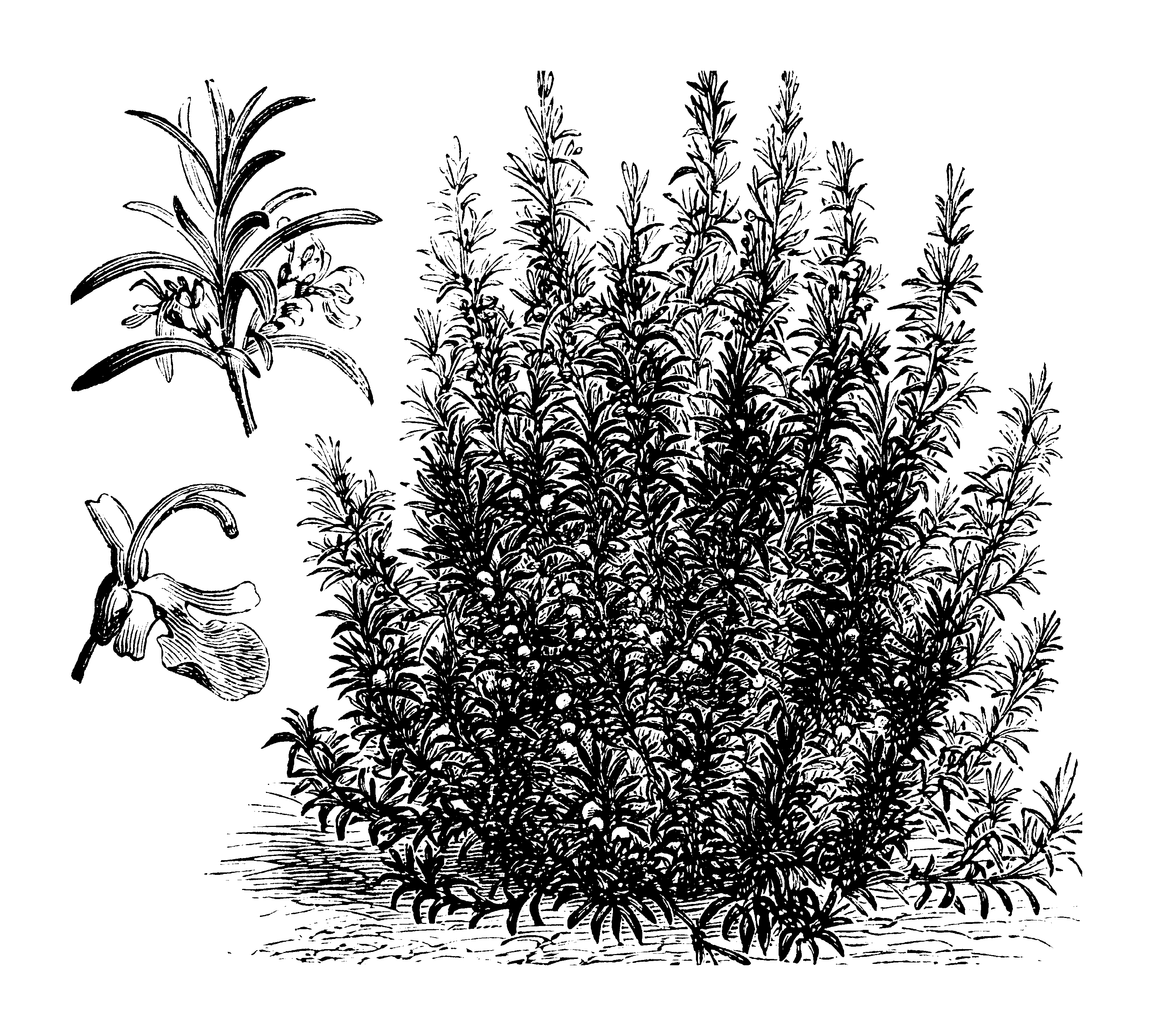
The shape it makes in the bed and how tall it gets — what tells you whether to give it a trellis, a stake, or just room.
- Habit
- Upright
- Mature height
- 4–5 ft
Stands on its own; the tallest types appreciate a stake in wind.
Growing in containers
Whether it does well in a pot, planter, or window box — the SF balcony-and-deck question, weighing its footprint, form, and staying power, not just root depth.
Happy in a pot, planter, or window box — no garden bed required.
How to start it
Sow it where it grows, or raise it under cover and set it out — and how far ahead to start the seedlings if it's the latter.
- Usually
- Transplant
Goes in as a rooted start, cutting, or division rather than raised from seed.
Getting started
How it goes in the ground — how deep to sow or set it, and the soil temperature it needs to wake up. The cold-soil floor is the real limiter for direct-sowing in a foggy SF spring.
- Started from
- From seed
- Ideal soil temp
- 60°F
- Sow depth
- 0–0.125 in
- Time to emerge
- 12–28 days
Germinates between 55–65°F; happiest around 60°F.
Watering & feeding
How thirsty and how hungry it is — the water it wants and how much feeding the bed needs to keep it producing. In the fog belt even a thirsty crop drinks less than it would inland.
- Water need
- Low
- Feeding
- Light feeder
Gets by on less — water deeply, then let it dry out between; forgiving of a missed day.
Undemanding — good soil is plenty; a rich, fed bed does more harm than good.
Exceptionally drought-tolerant — water only when the soil has dried, and never let it sit wet (brown tips signal root rot). No feeding needed; it thrives in lean, well-drained soil.
Pests & diseases
What tends to trouble this crop — what it is, what you'll see, and what to do about it, least-toxic first.
Our sources document no specific pests or diseases for this crop; it's generally grown without major pest trouble in home gardens.
Harvest & storage
How to tell it's ready to pick, and how to keep it once it's in.
- Keeps
- WeeksHolds a week or two in the fridge.
- Ready to harvest
- Snip sprigs any time once the plant is established, pinching back to below the flowering tips; the flowers are edible too.
- Storing
- Sturdy sprigs keep a week or two refrigerated, and rosemary dries very well hung in a cool, dark spot.
Culinary use & nutrition
What it's for in the kitchen, and the nutrients a 100 g raw serving is a notable source of.
In the kitchen
- Seasoning
Nutrition highlights
- Excellent source
- Fiber, Manganese, Iron, Copper, Folate, Vitamin C, Calcium, Magnesium
- Good source
- Vitamin B6, Vitamin A, Potassium, Riboflavin
Share of the Daily Value in a 100 g raw serving (USDA FoodData Central).
Pollinators & wildlife
What this crop offers the garden's wildlife once it flowers — often the payoff for letting a bolting plant stand.
- Bees
- Honeybees and natives — bumble, mason, and sweat bees — working the flowers for pollen and nectar.
- Beneficial insects
- Hoverflies, lady beetles, and parasitoid wasps that keep aphids and caterpillars down.
Rosemary blooms early and long for bees, but UC documents its hoverfly draw for some varieties only, naming 'Blue Spires' and 'Miss Jessup', so treat the beneficial-insect value as variety-dependent.
Sources
Growing data on this page is drawn from UC Master Gardeners, Marin County, UC Integrated Pest Management (UC IPM), and the other references on our sources page.