- Matures
- 3 months
- Harvest
- Continuous · Perennial
- Sun
- 6–8+ hrs
- Spacing
- 18–30 in
Planting window
When to sow, by microclimate — foggier blocks run a different calendar than sunnier ones.
| Jan | Feb | Mar | Apr | May | Jun | |
|---|---|---|---|---|---|---|
| Foggy | ◐ | ● | ● | ◐ | ||
| Sunny | ◐ | ● | ● | ● | ● |
| Jul | Aug | Sep | Oct | Nov | Dec | |
|---|---|---|---|---|---|---|
| Foggy | ◐ | ◐ | ● | ◐ | ||
| Sunny | ● | ● | ● | ● | ◐ |
Sunlight
How well it does at each level of direct sun per day.
Soil depth
Root room it needs — useful for sizing raised beds and containers.
Soil pH
The soil acidity it grows best in — most crops sit just below neutral, so this mostly matters for heavily amended or long-reused beds.
- Preferred range
- pH 6.0–7.0
Spacing
Room each plant needs — along the row and between rows — for sizing beds.
- In-row
- 18–30 in
- Between rows
- 18–30 in
Growth habit
The shape it makes in the bed and how tall it gets — what tells you whether to give it a trellis, a stake, or just room.
- Habit
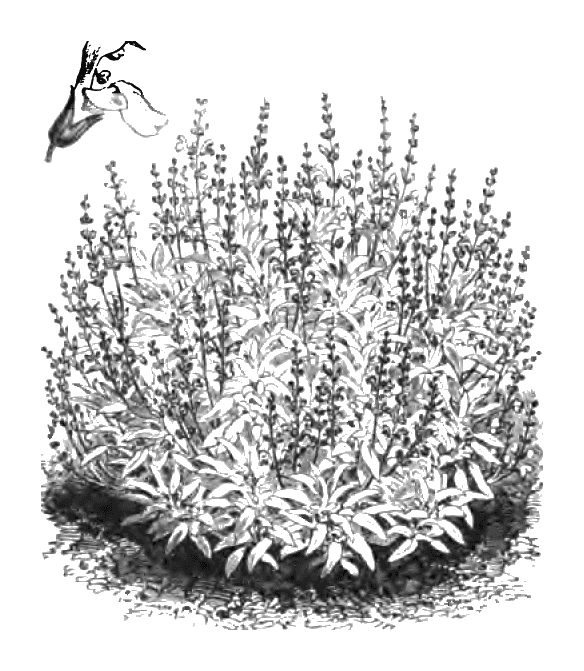
- Upright
- Mature height
- 1–2 ft
Stands on its own; the tallest types appreciate a stake in wind.
Growing in containers
Whether it does well in a pot, planter, or window box — the SF balcony-and-deck question, weighing its footprint, form, and staying power, not just root depth.
Happy in a pot, planter, or window box — no garden bed required.
How to start it
Sow it where it grows, or raise it under cover and set it out — and how far ahead to start the seedlings if it's the latter.
- Usually
- Transplant
Goes in as a rooted start, cutting, or division rather than raised from seed.
Getting started
How it goes in the ground — how deep to sow or set it, and the soil temperature it needs to wake up. The cold-soil floor is the real limiter for direct-sowing in a foggy SF spring.
- Started from
- From seed
- Ideal soil temp
- 59°F
- Sow depth
- 0–0.125 in
- Time to emerge
- 10–14 days
Germinates between 55–64°F; happiest around 59°F.
Watering & feeding
How thirsty and how hungry it is — the water it wants and how much feeding the bed needs to keep it producing. In the fog belt even a thirsty crop drinks less than it would inland.
- Water need
- Low
- Feeding
- Light feeder
Gets by on less — water deeply, then let it dry out between; forgiving of a missed day.
Undemanding — good soil is plenty; a rich, fed bed does more harm than good.
A drought-tolerant Mediterranean herb — water sparingly and let the soil dry between; it dislikes wet feet. Needs little to no feeding.
Pests & diseases
What tends to trouble this crop — what it is, what you'll see, and what to do about it, least-toxic first.
Our sources document no specific pests or diseases for this crop; it's generally grown without major pest trouble in home gardens.
Harvest & storage
How to tell it's ready to pick, and how to keep it once it's in.
- Keeps
- DaysBest eaten within a few days of picking.
- Ready to harvest
- Harvest lightly the first year, then take leaves any time — best in the morning once the dew has dried, and before flowering for drying.
- Storing
- Fresh leaves keep four or five days refrigerated in a paper towel and bag; sage also freezes and dries well.
Culinary use & nutrition
What it's for in the kitchen, and the nutrients a 100 g raw serving is a notable source of.
In the kitchen
- Seasoning
Nutrition highlights
Not a standout source of any nutrient we track, per 100 g.
Share of the Daily Value in a 100 g raw serving (USDA FoodData Central).
Pollinators & wildlife
What this crop offers the garden's wildlife once it flowers — often the payoff for letting a bolting plant stand.
- Bees
- Honeybees and natives — bumble, mason, and sweat bees — working the flowers for pollen and nectar.
- Butterflies
- Adult butterflies nectaring, and in some crops the leaves their caterpillars grow up on.
- Beneficial insects
- Hoverflies, lady beetles, and parasitoid wasps that keep aphids and caterpillars down.
- Hummingbirds
- Anna's hummingbird, here year-round, after the deeper tubular flowers.
The widest reach of any crop here: let the lavender-blue spikes open and bees and butterflies work them steadily, hoverflies among them, with a hummingbird occasionally probing the tubes.
Companion planting
What grows well nearby, and what to keep apart.
No research-backed companion pairings for this crop — folk pairings without evidence are left out on purpose.
A handy cole-crop companion: interplanted with thyme among Brussels sprouts, sage cut diamondback moth numbers in greenhouse trials.
Sources
Growing data on this page is drawn from UC Master Gardeners, Marin County, UC Master Gardeners, Santa Clara County, and the other references on our sources page.