Winter Radish
Raphanus sativus
Brassicaceae · cabbage family
Origin · East Asia
- Matures
- 2 months
- Harvest
- Once · Annual
- Sun
- 4–8+ hrs
- Spacing
- 4–8 in
Planting window
When to sow, by microclimate — foggier blocks run a different calendar than sunnier ones.
| Jan | Feb | Mar | Apr | May | Jun | |
|---|---|---|---|---|---|---|
| Foggy | ● | ● | ● | ◐ | ◐ | |
| Sunny | ● | ● | ◐ | ◐ | ◐ |
| Jul | Aug | Sep | Oct | Nov | Dec | |
|---|---|---|---|---|---|---|
| Foggy | ◐ | ● | ● | |||
| Sunny | ◐ | ● | ● |
Sunlight
How well it does at each level of direct sun per day.
Soil depth
Root room it needs — useful for sizing raised beds and containers.
Soil pH
The soil acidity it grows best in — most crops sit just below neutral, so this mostly matters for heavily amended or long-reused beds.
- Preferred range
- pH 6.2–6.5
Spacing
Room each plant needs — along the row and between rows — for sizing beds.
- In-row
- 4–8 in
- Between rows
- 8–12 in
Growth habit
The shape it makes in the bed and how tall it gets — what tells you whether to give it a trellis, a stake, or just room.
- Habit
- Low mound
- Mature height
- 1–2 ft
Low and self-supporting — no staking needed.
Growing in containers
Whether it does well in a pot, planter, or window box — the SF balcony-and-deck question, weighing its footprint, form, and staying power, not just root depth.
Workable in a large, deep container with attentive watering and feeding.
How to start it
Sow it where it grows, or raise it under cover and set it out — and how far ahead to start the seedlings if it's the latter.
- Usually
- Direct-sow
Sown straight into the bed it will grow in.
Getting started
How it goes in the ground — how deep to sow or set it, and the soil temperature it needs to wake up. The cold-soil floor is the real limiter for direct-sowing in a foggy SF spring.
- Started from
- From seed
- Ideal soil temp
- 65–85°F
- Sow depth
- 0.5 in
- Time to emerge
- 4–6 days
Germinates between 40–95°F; happiest around 65–85°F.
Watering & feeding
How thirsty and how hungry it is — the water it wants and how much feeding the bed needs to keep it producing. In the fog belt even a thirsty crop drinks less than it would inland.
- Water need
- Low
- Feeding
- Moderate feeder
Gets by on less — water deeply, then let it dry out between; forgiving of a missed day.
A balanced feed worked into the bed at planting usually carries it through the season.
Like other radishes it needs steady moisture for crisp, mild roots — swings crack them and turn them hot. A moderate feeder.
Pests & diseases
What tends to trouble this crop — what it is, what you'll see, and what to do about it, least-toxic first.
Pests3
Cucumber Beetles
- What it is
- Adult beetles are shiny with black heads, long antennae, and about 1/4 inch long. Adults may be striped or spotted, depending upon species.
- What you'll see
- Adults feed on the leaves of many vegetables as well as on soft fruit. Shoots and blossoms may also be consumed.
- What to do
- Management of cucumber beetles is difficult. The best strategy for most vegetable gardens may be to place protective cloth over emerging plants and remove it when plants are old enough to tolerate damage.
Flea Beetles
- What it is
- Their small size, enlarged back legs, characteristic shot-hole damage, and habit of jumping when disturbed make flea beetles easy to identify. There are numerous flea beetle species.
- What you'll see
- Adults feed mostly on leaves, leaving tiny pits or small holes at their feeding sites. Flea beetles feeding together can cover leaves with bleached, pitted areas or ragged holes.
- What to do
- Remove debris in the fall to remove any overwintering beetles. Reflective mulches applied very soon after planting and before plants become infected can be helpful.
Harlequin Bug
- What it is
- Harlequin bugs can be confused with Bagrada bugs, an invasive species, but are much larger and lack the white markings characteristic of Bagrada bugs. Harlequin bugs may also be confused with stink bugs.
- What you'll see
- Harlequin bugs suck fluids from plant tissue. They leave yellow or white blotches on areas of leaves where they have been feeding; heavy infestations can cause plants to wilt, turn brown, and die.
- What to do
- Handpick bugs or their eggs. Destroy old cole crop plants and mustards because they provide breeding areas.
Diseases1
Downy Mildew on Cole Crops
- What it is
- Downy mildew gets its name from the downy masses of spores it produces on the undersides of affected leaves. These downy growths initially may be confused with those of powdery mildew.
- What you'll see
- Infections of downy mildew begin as irregular yellow patches on leaves; these chlorotic lesions later turn brown. If conditions are favorable, white fluffy growth of the fungus develops on the undersides of leaves.
- What to do
- The best way to prevent downy mildew is to avoid the environmental conditions that favor it. Destroy infected crop debris and susceptible related weeds before planting a new crop.
Harvest & storage
How to tell it's ready to pick, and how to keep it once it's in.
- Keeps
- WeeksHolds a week or two in the fridge.
- Ready to harvest
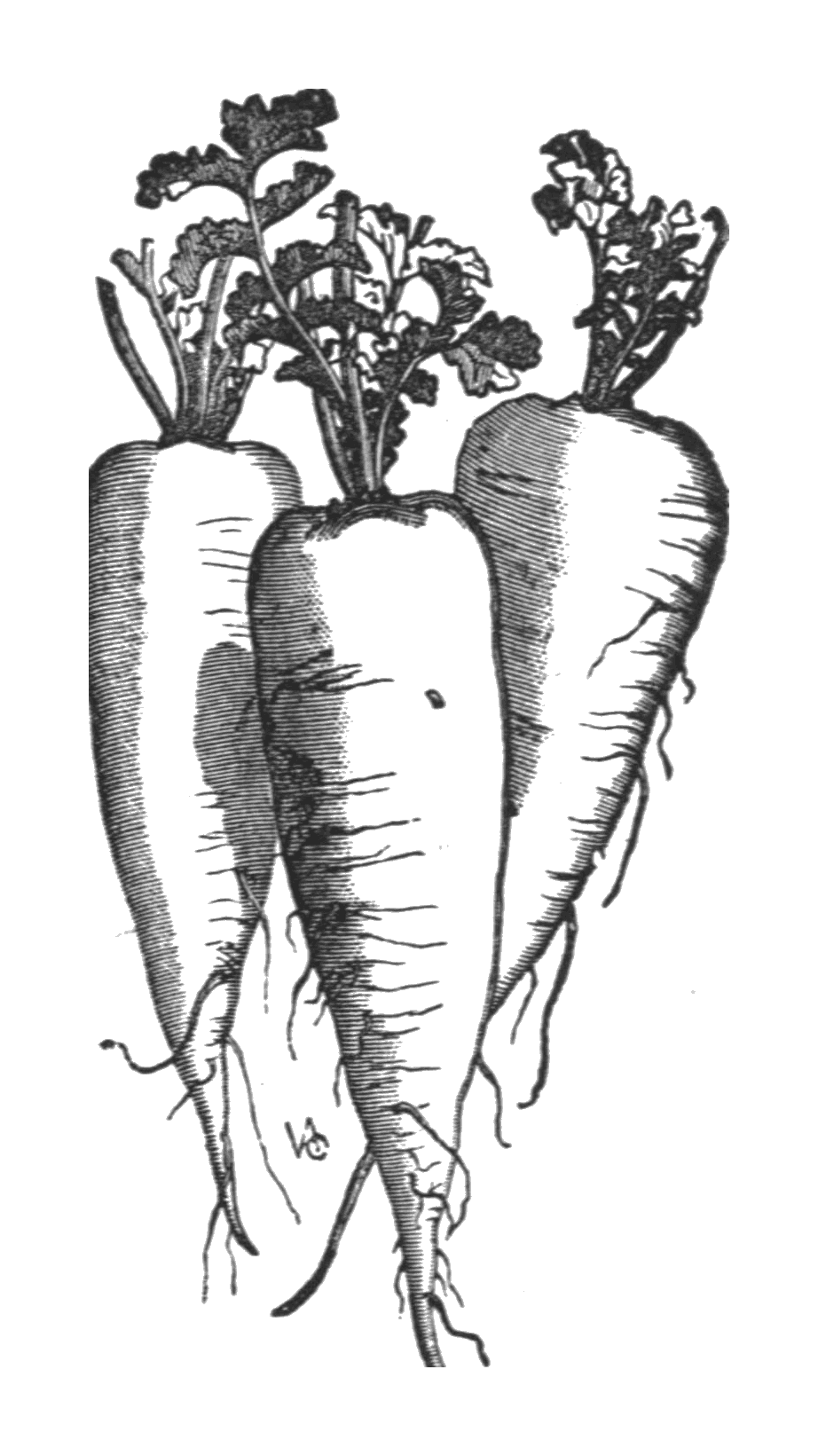
- Lift daikon and winter radishes at about 2 in across; the roots are brittle, so loosen them with a fork.
- Storing
- Twist off the tops and refrigerate the roots; winter types keep a couple of weeks cold.
Culinary use & nutrition
What it's for in the kitchen, and the nutrients a 100 g raw serving is a notable source of.
In the kitchen
- Raw
- Boiled / steamed
- Pickled / preserved
Nutrition highlights
- Excellent source
- Vitamin C
- Good source
- Copper
Share of the Daily Value in a 100 g raw serving (USDA FoodData Central).
Pollinators & wildlife
What this crop offers the garden's wildlife once it flowers — often the payoff for letting a bolting plant stand.
- Bees
- Honeybees and natives — bumble, mason, and sweat bees — working the flowers for pollen and nectar.
- Beneficial insects
- Hoverflies, lady beetles, and parasitoid wasps that keep aphids and caterpillars down.
Roots left in over winter bolt in spring into tall flowering stems that bees and hoverflies stay on for weeks.
Companion planting
What grows well nearby, and what to keep apart.
Plant nearby
Like other brassicas it draws flea beetles; a border of spicier arugula, mustard and napa cabbage traps them away, and several trap species together beat one alone.
Sources
Growing data on this page is drawn from NC State Extension — Plant Toolbox, Golden Gate Gardening (Pam Peirce), and the other references on our sources page.