Foggy or Sunny? Find Your San Francisco Garden Microclimate
The standard planting charts for this city come in two versions. Working out which one is yours takes about a minute, and it changes half of what you sow.
Nearly every piece of gardening advice written for this city leans on one word. Sow this in July if you're in the fog belt. Skip that unless you're in a warm pocket. It's good advice, and it's useless until you know which one you are. The reassuring part is that you can settle it from your kitchen window, and once you have, a lot of confusing advice sorts itself out.
Why the split is real
This isn't a distinction gardeners invented to sound local. The standard planting guidance for San Francisco is published twice, once for foggier ground and once for sunnier, listing the same crops against different months. The UC Master Gardener calendars for San Francisco and San Mateo come as a foggy edition and a sunny edition covering 36 crops apiece.
Line those two calendars up and 28 of the 36 crops disagree. Not by a week. Peas can go in the ground for ten months of the year on a foggy block and half that on a sunny one.
Only eight crops match exactly. This is not a footnote to the local advice, it is most of the calendar.
Marine layer: the deck of cool, damp cloud that forms over the cold offshore water and gets pushed inland by the afternoon sea breeze. It's the same thing as "the fog," seen from the side.
What makes a block foggy
Three forces stack up, and they explain nearly every odd pocket in the city.
Distance from the Pacific. Fog rides in from the ocean, not the Bay, so the relevant question is how far west-facing water sits from you. The influence is strongest in the first couple of miles inland and then falls away fast. It's why the Outer Sunset and Dogpatch feel like different climates despite both being near water.
Elevation. The marine layer has a ceiling, and high ground sits up inside it. Twin Peaks is nowhere near the ocean by city standards and still spends summer afternoons in cloud.
Shelter from the west wind. This is the one most people miss, and it does the most work. When a ridge stands between a block and the incoming marine air, it takes the fog and leaves the ground behind it in a warm, bright pocket. That is precisely why the Mission is the Mission: Twin Peaks absorbs the fog on its behalf.
So the useful mental picture isn't a line down the middle of the city. It's a west-facing wall of fog with hills punching holes in it.
Read your own block
You need four observations, and you already have most of them.
What time the gray clears. On the sunny side, summer mornings often start bright, or burn off well before lunch. In the middle band it lifts around midday most days. On the foggy side it may stay gray until late afternoon, or never lift at all.
How warm the afternoon gets. A sunny-side July afternoon feels genuinely warm. A foggy-side one asks for a jacket, in July, every year.
Whether the wind is steady. A reliable afternoon wind off the ocean is a fog-side signature, and it dries beds faster than the cool air suggests.
What does well nearby. This is the most honest tell of the four. Ripe tomatoes and healthy basil on neighboring plots mean you're on the sunny side. If the best-looking plants around are chard, kale, and favas, the fog has spoken.
Broadly, the Sunset, the Richmond, Daly City and Pacifica sit on the foggy side, while the Mission, SoMa, Bernal Heights and Potrero sit on the sunny one. Glen Park, the Haight and the Western Addition land in the middle. Treat those as a starting guess and let your own four observations overrule them, because the fog genuinely does change block to block.
If you'd rather not guess, answer three questions about your block and the app works it out from your address, using elevation and how sheltered you are from the westerly wind. It reports four levels rather than two, so here's how they line up with the two charts:
| If your block reads as | Follow |
|---|---|
| Mostly sunny | Sunny-side timing |
| Some morning fog | Sunny-side timing, treating heat crops as a stretch |
| Often foggy | Foggy-side timing |
| Socked in | Foggy-side timing |
What it changes
Once you know your side, the differences get concrete.
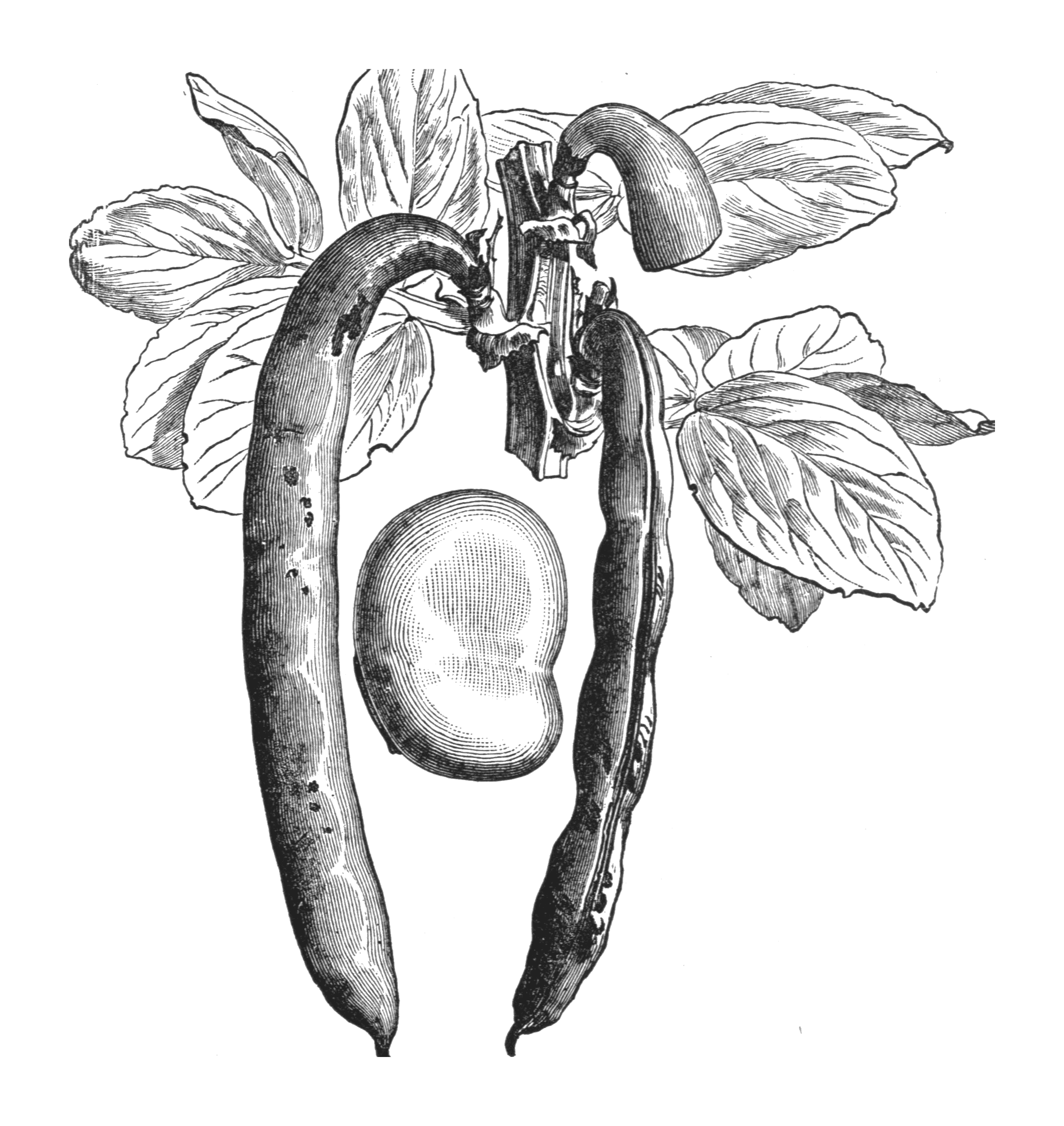
Peas are the widest gap. On a foggy block you can sow from February clear through November. On a sunny one the window splits: February, then August through November, with March through July off because the heat costs you the pods. The full pea guide walks through both. Fava beans follow the same shape, sowable in every month of the year in the fog and half that in the sun.
It runs the other way for the heat crops, where the numbers are smaller and starker. The foggy calendar gives tomatoes a single month to set plants out, April. The sunny side gets April and May. Peppers and eggplant show the same one-month-wider pattern.
That tomato line understates the problem, though, because the window is not really what separates the two sides. What changes most is what you get at the end. On the foggy side a tomato is a genuine gamble that often doesn't ripen. On the sunny side it's a short but real season.
And plenty of crops simply don't care. Lettuce is a year-round crop on either side of the hill. For the month-by-month picture once you've placed yourself, the planting calendar takes it from there.
Grow for your side
Neither side is the better garden. The foggy side grows greens, peas and brassicas about as well as anywhere in the country, and pays for it in tomatoes. The sunny side trades some of that year-round leafy abundance for a real, if short, warm season. The gardeners who do well here aren't the ones with the sunniest block. They're the ones who stopped reading advice written for the other half of the city.
Frequently Asked Questions
Which San Francisco neighborhoods are in the fog belt?
The Sunset and the Richmond are the classic fog-belt neighborhoods, along with Daly City and Pacifica just south, and high ground like Twin Peaks regardless of how far inland it sits. The Mission, SoMa, Bernal Heights and Potrero are the reliably sunny side. Blocks near the boundary vary enough that your own observations beat any neighborhood list.
Can I grow tomatoes in the Sunset?
You can plant them on the same May-to-June schedule as the rest of the city, but ripening is the problem rather than timing. Fog-side tomatoes often stay green into fall. If you want to try, pick the fastest small-fruited variety you can find and give it the warmest, most sheltered, most reflective corner you have.
What if my block is between foggy and sunny?
Follow the sunny-side timing for cool-season crops, since the middle band rarely gets cold or gray enough to need the extended fog-side windows, and treat the heat-loving crops as an experiment rather than a plan. Then watch what actually happens over a season and adjust.
Does the microclimate really change block to block?
Yes, and more sharply than in most cities. Because fog exposure depends on what's upwind of you, a single ridge can put two gardens half a mile apart on opposite sides of the split. Elevation does the same thing vertically, so a hilltop and the flat below it can behave differently.
Sources: the UC Master Gardeners of San Mateo & San Francisco planting calendars, which are published separately for foggy and sunny microclimates; Garden for the Environment on planting by microclimate; and Pam Peirce, Golden Gate Gardening, 4th edition, whose paired Foggier and Sunnier planting-times charts are the origin of the split.