7 Cool-Season Crops for San Francisco Gardens
Seven crops that treat San Francisco's long cool year as their growing season, in the Outer Sunset and in the Mission alike.
Every new San Francisco gardener tries for a big beefsteak tomato, and every one of them learns the same lesson from the fog. The consolation is larger than the loss. A whole category of cool-season crops treats this city's cool, barely-seasonal year as its growing season, and nearly all of them do it on both sides of the hill. So this post is written for both. Where the foggy and the sunny halves of the city genuinely disagree, and two of these seven disagree a great deal, it's flagged in the crop.
1. Kale
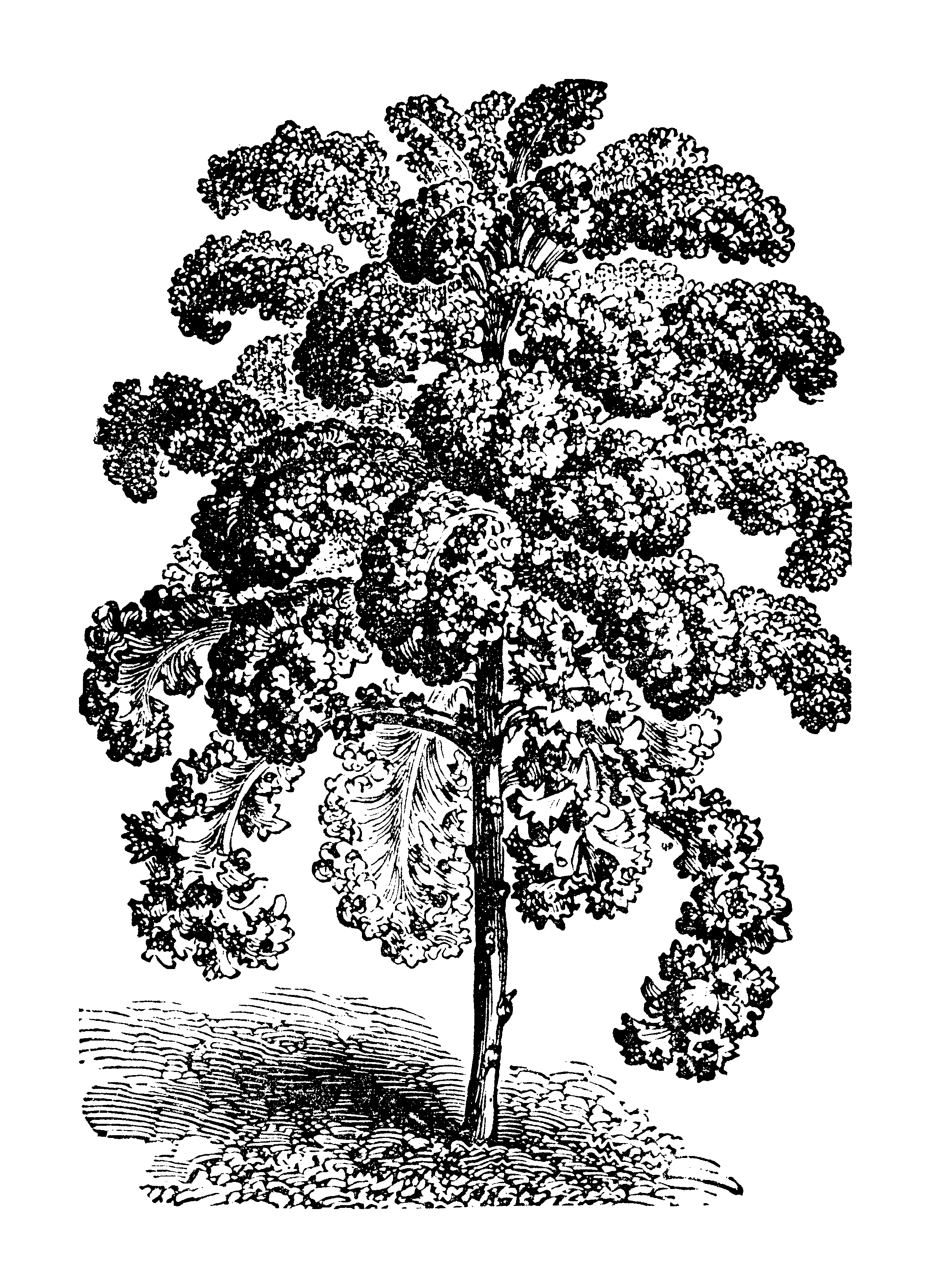
Kale earns its local reputation for a dull reason: the thing that spoils it elsewhere never shows up. Heat turns kale tough and strong-flavoured, and the tender, non-bitter leaves come from fast growth without heat stress, which is a fair description of a San Francisco spring. The city's calendars set it out as transplants February through April and again in late summer, 65 to 75 days to a full plant.
Grow it for the outer leaves, not the plant. Pick each one at usable size and the crown pushes another out behind it, so one plant on 12-inch spacing turns into months of picking. Small leaves go raw into a salad; big ones want the rib stripped and a slow braise. For baby leaves only, sow at 4-inch spacing and cut across the row.
If kale suits you, try collards: same species, flat broad leaves instead of curled, no crevices to trap grit, and a softer result out of a long simmer. Figure 60 to 90 days, 18 to 24 inches apart.
2. Peas
The first of the two crops where your side of the city decides the answer. On a foggy block, peas go in the ground February through November, ten months of sowing. On a sunny block it's February, then August through November, because those blocks build enough summer heat to cost you the pods. The full pea guide covers both.
Sow them where they'll grow, an inch deep, thinned to 2 to 6 inches with about 3 feet between rows, and expect 2 to 5 feet of climbing depending on the variety. Sixty to eighty days later you're picking. Which pea you plant is really a decision about dinner: snap peas whole and raw off the vine, snow peas flat and quick in a hot pan, shelling peas for the podding that produces one glorious bowl. The thinnings are a salad green in their own right.
If peas work for you, fava beans are the crop to add: same family, same logic, same split between the two halves of town. They're number six.
3. Chard
Swiss chard refuses to quit. Unlike spinach it keeps making leaves right through a warm spell as long as the soil stays moist, so here it effectively never has a bad month. The foggy calendar sows it January through September, the sunny one February through October: 60 to 80 days to full size, an inch deep, thinned to 10 or 12 inches.
Treat a chard plant as two vegetables. The stems are closer to celery and want chopping and a head start in the pan; the leaves collapse in about a minute and go in last. Pick leaf by leaf at the baby stage and one sowing keeps producing, because the plant answers every leaf you take with a new one.
The near neighbour is the beet, the same species wearing a different job. Chard was bred for the leaf, the beet for the root, and a beet still hands you usable greens on the way to dinner: 55 to 70 days on 3 to 5 inch spacing, same February-to-September window on either side of the hill.
4. Lettuce
Inland gardeners fight bolting all summer. Here, lettuce is the rare crop with the same entry on both of the city's calendars: something to plant in all twelve months, in the Sunset and in Bernal Heights alike.
That changes how you plant it. Rather than one big row, sow a short one every two weeks, about the right interval for a steady supply. Harvest by taking the outer leaves and leaving the central ones to mature, and a single plant feeds you several times over. Baby leaves come off in as little as 40 days, a full head takes up to 90, and seed goes barely a quarter-inch deep, thinned to 4 to 12 inches. Loose-leaf and butterhead are the productive types on this coast; crisphead is hard in any home garden.
For the same bed and speed with considerably more bite, sow arugula: 35 to 49 days, thinned to 2 to 6 inches, peppery raw and milder once it hits a pan.
5. Broccoli
Steady cool conditions are exactly what a tight broccoli head needs, and San Francisco supplies them most of the year. The SF calendars list it as a transplant crop, so start seed about six weeks ahead or buy starts, then plant out any time from late February into fall. Give it 12 to 24 inches in the row and 60 to 100 days.
The harvest is a two-act affair, and the second act is the one people miss. Cut the central head while the buds are tight and before any flower opens, taking a short length of stalk and leaving the lower plant standing. Side shoots then form along it, and you keep cutting them as they size up. Peeled, that thick stalk is the sweetest part of the plant.
Cauliflower is the obvious next step, with one caveat. It takes longer, 80 to 110 days on 18 to 24 inch spacing, and it's the one place broccoli's easygoing schedule breaks down by microclimate: the foggy side plants it February through September, the sunny side only February to March and August to October.
6. Fava beans
The second side-dependent crop, and the widest gap on this list. On a foggy block fava beans can go in the ground in any month of the year. On a sunny block they're a fall and winter crop, September through February. Either way they're direct-sown only, 1 to 2 inches deep, thinned to 8 to 10 inches with 2 to 3 feet between rows, and slow: four to five months to a crop.
What you get for the patience is two harvests in one. Properly nodulated favas need no nitrogen fertilizer, so a legume inoculant at sowing is a few dollars well spent, and the enormous quantity of green material they make can go back into the bed as organic matter instead. On the plate, pick the pods green, thick and glossy, shell them, and hull the individual beans before boiling; very young ones can skip the hulling. One caution, plainly: favism is an inherited enzyme disorder, most common in people of southern European descent, in which eating favas, especially raw or undercooked, causes serious illness. Rare, but real, and worth knowing before you hand round a bowl.
When the fava bed comes out in spring, runner beans are the legume that follows it, sown April into May on both sides of the city and picked in 48 to 70 days.
7. Spinach
Spinach is the fastest full crop on this list at 40 to 50 days, and the fussiest about its start. Its seed simply stops germinating in soil above 75°F, a ceiling most of the country hits every summer and almost no San Francisco bed ever reaches. The foggy calendar sows it February through October; the sunny one covers the same span minus May.
Bolting is the other half of the story. Spinach responds to lengthening days, and heat makes it respond faster, so a cool June here buys you weeks a warm one elsewhere would not. Sow half an inch deep, thin to 3 to 8 inches, and pick leaf by leaf at the baby stage so the plant keeps replacing what you take. It cooks down to almost nothing, so pick four times what you think you need.
When spinach gives up, chard stands in for anything you meant to cook. For raw salad in the dark months, mâche is the better answer: sown February to March and again from late summer into fall, around 80 days, tiny tender rosettes that ask for nothing but cold.
Where to start
If you're picking two, take lettuce and chard. Lettuce gives you the fortnightly sowing rhythm that makes a small bed feel productive; chard gives you the plant still standing when everything else has been pulled. Neither cares which side of the fog line you garden on, so both can go in before you've finished working out your microclimate. Peas and favas are the two to check your side for first. Then let the planting calendar tell you what this month is good for.
Frequently Asked Questions
Which cool-season crops can I grow year-round in San Francisco?
Lettuce is the only one on this list with a genuine twelve-month window on both the foggy and the sunny calendars. Chard comes close, running January through September on the foggy side and February through October on the sunny one. Fava beans are year-round too, but only on a foggy block; on a sunny one they run September through February and no further.
Do these crops only work in the fog belt?
No, and that's the useful part. Five of these seven have near-identical windows on both of the city's planting calendars, differing by a month at the edges if at all. Peas and fava beans are the real exceptions, both far more generous on the foggy side. If you're not sure which side you're on, work out your microclimate before you sow either of those two.
What is the fastest cool-season crop to grow here?
Arugula, at 35 to 49 days, with spinach close behind at 40 to 50. Lettuce can be cut for baby leaves from about 40 days, so a mixed sowing of the three gives you something to eat inside six weeks. Broccoli and cauliflower sit at the other end, and fava beans take four to five months.
Do cool-season crops need protection from the fog?
Not from the cool or the damp themselves, which is what these crops came for, and the fog will cut how often you need to water. Airflow is the thing to plan for. Free moisture sitting on a leaf is what downy mildew needs to infect it, so space plants so they can dry between fog banks and let the soil dry between waterings.
Sources: the UC Master Gardeners of San Mateo & San Francisco planting calendars, published separately for foggy and sunny microclimates; Pam Peirce, Golden Gate Gardening, 4th edition, whose paired Foggier and Sunnier charts those calendars are adapted from; the UC Master Gardeners of Sonoma County vegetable planting summary; the UC Master Gardener seed germination temperature table; the UC Small Farms Network fava bean brochure; UC Marin Master Gardeners on growing lettuce year-round; UC IPM on downy mildew in lettuce; and the University of Minnesota Extension guides to collards and kale, spinach and Swiss chard, and broccoli.